Concerns Over Drug Testing of Russian Weightlifters Amid International Return
As Russia's weightlifting team returns to international competition, serious concerns arise regarding the lack of independent out-of-competition drug testing. Reports reveal that only four of the 16 athletes were tested prior to the world championships, raising questions about the integrity of anti-doping measures in the sport.
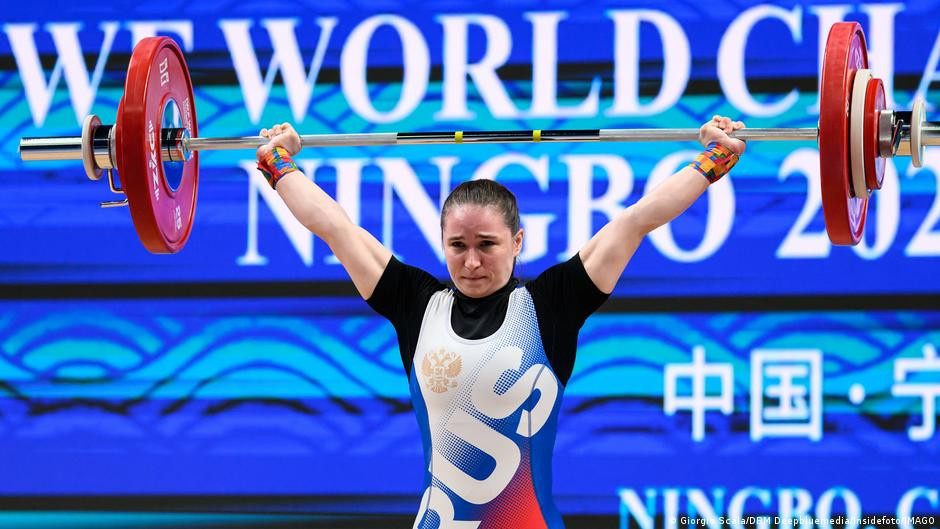
Fresh scrutiny has emerged regarding the integrity of drug testing within Russia's weightlifting team as they return to international competition. Recent figures reviewed by DW indicate that only four of the 16 Russian weightlifters competing at this year's world championships underwent out-of-competition testing by the International Testing Agency (ITA). This revelation is particularly alarming given Russia's notorious history of doping violations in sports.
Among the athletes not tested was two-time European champion Anastasiia Romanova, who previously served a two-year doping ban. This lack of testing raises significant concerns about the effectiveness of anti-doping measures, especially in a sport where performance-enhancing drugs can provide substantial advantages during training, often making detection more challenging by competition time.
In stark contrast, all 13 members of the North Korean weightlifting team received at least one ITA test during the same timeframe, highlighting a disparity in testing protocols between nations with similar doping histories. The ITA, responsible for overseeing weightlifting's anti-doping efforts, stated that it conducted tests for all 16 Russian weightlifters ahead of their participation in the championships held in Ningbo, China. However, the timing and nature of these tests have raised eyebrows among critics.
Rob Koehler, head of the athlete-led movement Global Athlete, criticized the absence of out-of-competition testing, labeling it "absurd." Koehler emphasized that such testing is crucial for maintaining the integrity of sports, as it ensures athletes are not only monitored during competitions but also throughout the year. He expressed concern that the ITA's current approach does not adequately address the risks associated with Russia's doping history.
Marta Nawrocka, spokesperson for the ITA, defended the testing regime, noting that Russian athletes are among the most tested nationally in weightlifting this year. She pointed out that only two Russian weightlifters are included in the sport's highest-priority testing pool, a decision based on performance and risk profiles. Nawrocka acknowledged that Russia's doping history significantly influences the ITA's risk assessment and testing priorities.
Implications of Russia's Doping History
The International Weightlifting Federation (IWF) has not commented on the situation, but the implications of these findings are profound. Weightlifting has been at the center of Russia's state-sponsored doping scandal, which surfaced after the 2014 Sochi Winter Olympics, leading to numerous bans across various sports. The Russian Anti-Doping Agency (RUSADA) has faced suspension for most of the past decade, complicating the testing process as samples must be sent abroad for analysis.
Despite RUSADA's ongoing suspension, it retains the authority to investigate and prosecute doping cases involving Russian athletes, a situation that many find troubling. Critics argue that this arrangement lacks accountability and oversight, particularly given the ongoing geopolitical tensions that have hindered WADA's ability to monitor RUSADA effectively.
In light of these developments, the ITA's expanded role in overseeing Russian athletes as they prepare for the 2028 Los Angeles Olympics raises further questions about the future of doping control in the sport. As the landscape of international weightlifting evolves, the need for stringent and transparent testing protocols remains paramount to restore confidence among athletes and fans alike.
Ongoing Concerns About Doping Oversight
The complexity of the situation is underscored by allegations regarding RUSADA's leadership and independence, suggesting that systemic issues persist even after the McLaren report's findings. The International Olympic Committee (IOC) has recognized a "lack of confidence" in RUSADA's governance, which complicates the broader discussion about the integrity of Russian athletes in international competitions.
As scrutiny continues, the ITA's commitment to ensuring rigorous testing protocols will be critical in addressing the concerns surrounding doping in weightlifting. The path forward must prioritize transparency and accountability to safeguard the sport's integrity and uphold the principles of fair competition.