Cycling Candidates Win in US Midterm Elections Amid E-Bike Confusion
The recent US midterm elections saw significant victories for pro-cycling candidates, countering anti-cycling sentiments. This political shift may influence future cycling policies and infrastructure development. Additionally, ongoing misidentifications of e-bikes by police and media raise concerns about public perception and safety in cycling communities.
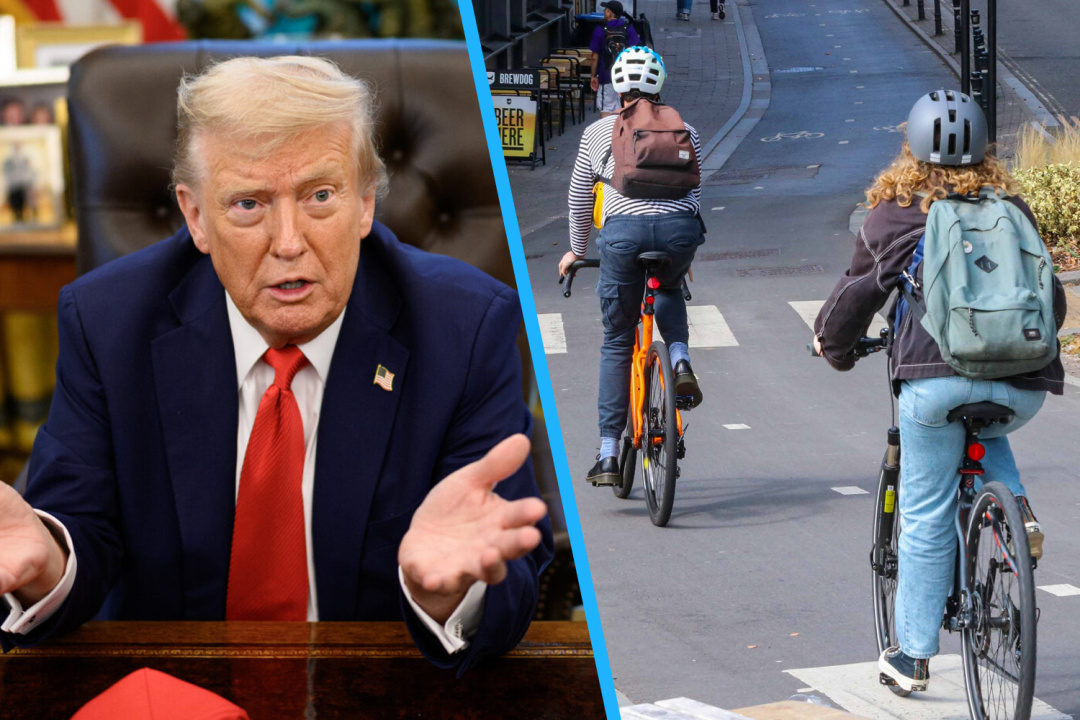
In a surprising turn of events during the recent US midterm elections, candidates who have been vocal against cycling initiatives faced significant defeats. This outcome is seen as a positive shift for the cycling community, which has been advocating for better infrastructure and support for cyclists across the country. The results suggest a growing recognition of the importance of cycling as a viable mode of transportation and a healthy lifestyle choice.
The elections have highlighted the increasing influence of cycling advocacy groups, which have worked tirelessly to promote policies that favor cycling infrastructure, safety, and accessibility. These groups have mobilized voters, emphasizing the benefits of cycling not just for individuals but for communities as a whole, including reduced traffic congestion and improved public health outcomes.
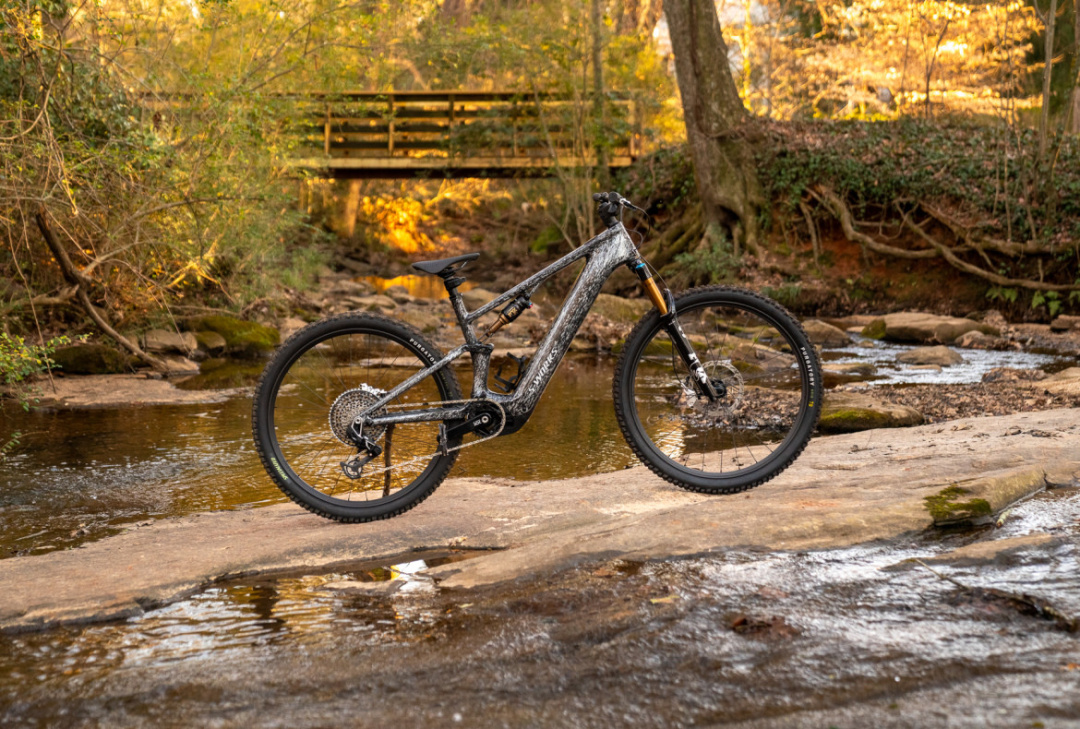
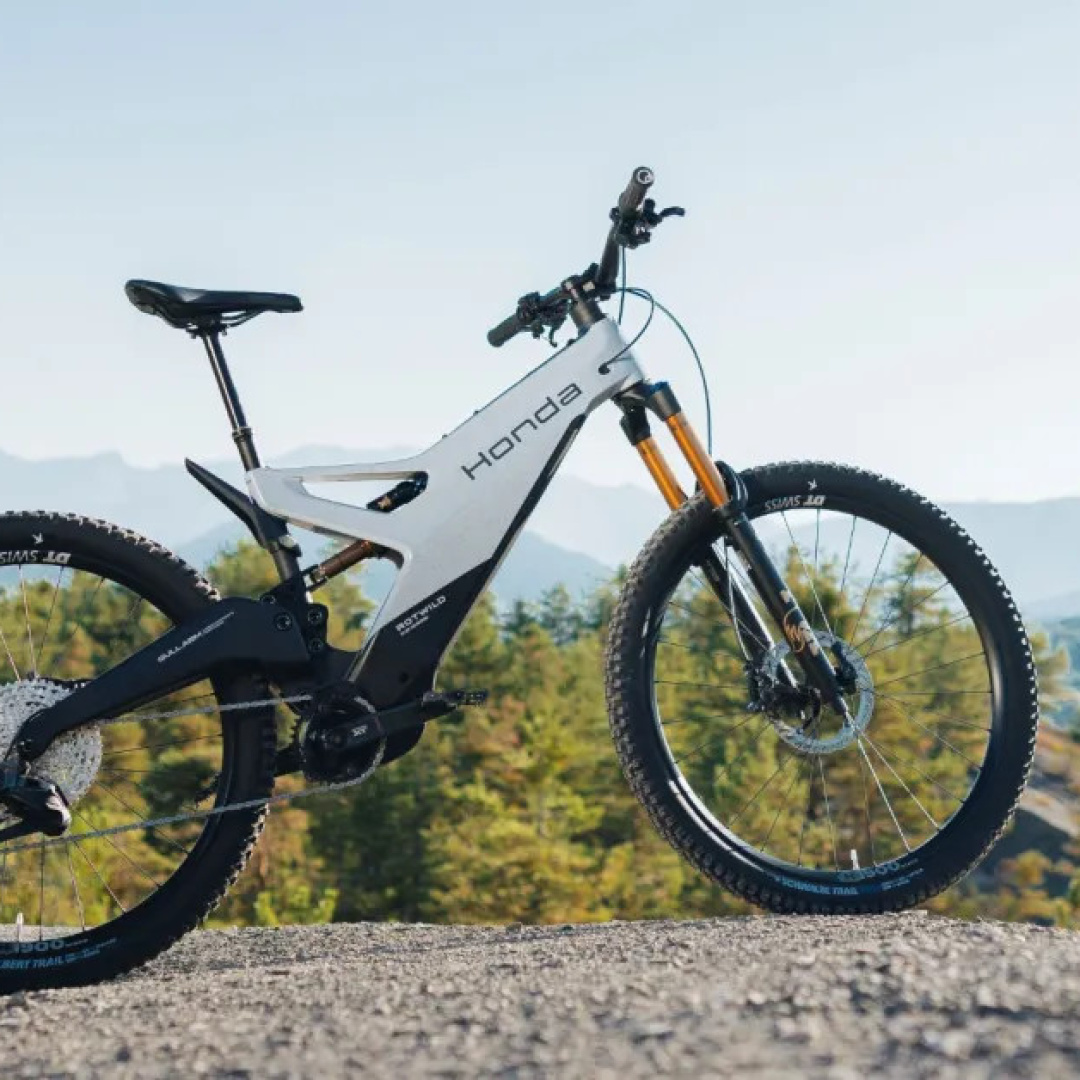
However, amidst these victories, there are concerns regarding the misidentification of e-bikes by police and media outlets. Reports indicate that e-bikes are often confused with traditional bicycles, leading to misinformed narratives about their use and regulation. This misidentification can contribute to negative perceptions of e-bikes, which are increasingly popular among commuters and recreational cyclists alike.
As cycling continues to gain traction as a preferred mode of transport, the cycling community is calling for more accurate reporting and understanding of e-bike technology. Advocates argue that proper education about e-bikes is crucial for fostering a supportive environment for all cyclists. Misunderstandings can lead to unnecessary regulations that could hinder the growth of cycling as a whole.
Optimism for Cycling Infrastructure Growth
The political landscape is shifting, and with it, the potential for enhanced cycling infrastructure and policies that support cyclists is becoming more promising. The recent election results may pave the way for new initiatives aimed at improving cycling conditions, making it safer and more appealing for a broader audience.
As the cycling community reflects on the election outcomes, there is a palpable sense of optimism. The victories of pro-cycling candidates could signal a new era of support for cycling initiatives at both local and national levels. This momentum might lead to increased funding for cycling infrastructure projects, such as dedicated bike lanes and improved traffic safety measures.
Athlete Spotlights
Moreover, the ongoing dialogue about e-bikes and their role in the cycling ecosystem is expected to continue. Advocates are pushing for clearer regulations that recognize the unique characteristics of e-bikes while ensuring that all cyclists can coexist safely on the roads. The outcome of these discussions will be crucial in shaping the future of cycling in the US, particularly as more people turn to cycling for commuting and recreation.
In conclusion, the recent midterm elections have underscored the importance of cycling advocacy and the need for informed discussions around cycling policies. As the community moves forward, the focus will remain on fostering a supportive environment for all cyclists, ensuring that the gains made in this election translate into tangible improvements on the ground.