Navigating Men's Fitness Culture in the Manosphere
The manosphere has become a significant influence on men's fitness, shaping their relationship with physical health and self-image. While it encourages many to engage in fitness, it can also promote toxic ideals of masculinity and competition. This article explores how to foster a healthier approach to fitness among men, emphasizing the importance of self-care and community support.
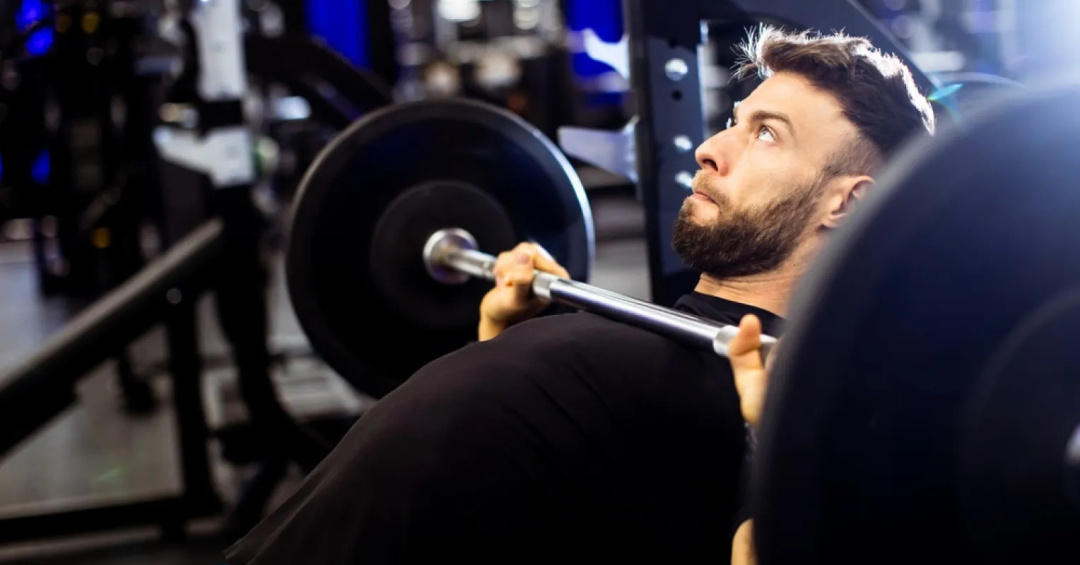
For many men, the gym serves as more than just a place for physical training; it is a crucial aspect of identity management. Within this context, the manosphere—a collection of male influencers, podcasts, and content creators—has successfully tapped into a desire for strength and self-respect, drawing men into fitness culture. However, this movement raises concerns about the messages conveyed regarding masculinity and body image.
Men are generally motivated to improve their physical appearance and health. They seek to feel capable, disciplined, and desirable. Yet, the influence of certain manosphere figures can distort this motivation into a competitive mindset focused on muscle, performance, and social status. For instance, notorious influencer Andrew Tate suggests that missing a gym session is a sign of weakness, promoting guilt rather than a balanced approach to fitness.
Rather than dismissing these influences as toxic, it is essential to recognize the underlying motivations driving men to seek out fitness content. Shaming men for their interests can deepen their attachment to harmful ideals. Acknowledging the positive changes that some men experience through fitness engagement is crucial. Many men begin lifting weights or adopting healthier eating habits due to the appeal of these influencers, highlighting a genuine desire for self-improvement.
However, the narrative often shifts to emphasize fitness as a responsibility to others rather than a personal journey. While it is important for men to care for their health for the sake of their partners and families, this perspective can inadvertently diminish the intrinsic value of fitness. When exercise is framed solely as a means to support others, it risks becoming a performance rather than a personal pursuit of well-being.
Redefining Strength and Vulnerability in Fitness
To foster a healthier relationship with fitness, we must help men understand that wanting to be strong does not equate to self-worth being contingent on physical prowess. Encouraging men to view their bodies as deserving of care rather than mere machines can lead to a more balanced approach to fitness. This shift requires cultural change, moving away from the notion that strength and vulnerability are mutually exclusive.
Men need positive role models who exemplify mature strength and can help reshape the narrative surrounding masculinity. This support can come from various sources, including sports teams, running clubs, or well-facilitated men's groups. Coaches, therapists, and friends can also play vital roles in helping men redefine their relationship with fitness and masculinity.
Sport-Specific Culture Insights
By asking young men what resonates with them about manosphere influencers, we can better understand their motivations. Is it discipline, purpose, or the presence of role models? Honoring these motives while guiding them toward healthier avenues for pursuing fitness can lead to more sustainable and fulfilling engagement with physical activity.
Ultimately, men do not need to abandon their desire for strength and respect; they can learn to pursue these goals without compromising their self-worth. The journey of fitness can be a path toward self-discovery and empowerment rather than a competition against others. By fostering an environment that values personal growth and community support, we can help men navigate their fitness journeys more healthily and sustainably.