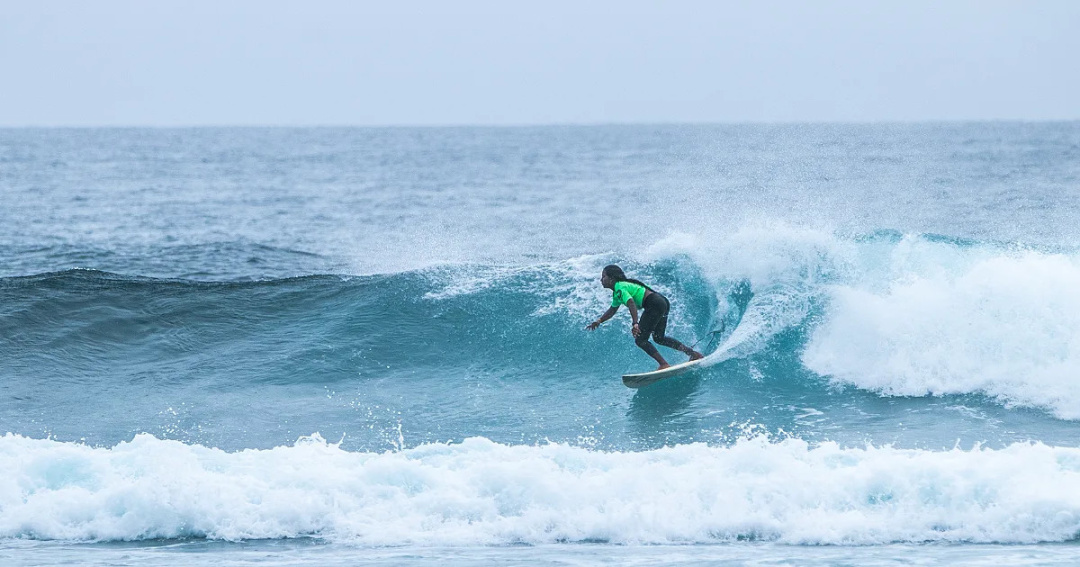
Senegalese Surfers Seek to Reclaim Waves Amid Resource Challenges
In Senegal, local surfers, led by Ibra Samb, are striving to reclaim their surfing culture and gain visibility on the global stage despite facing significant resource challenges. As Senegal hosts the Youth Olympic Games, they hope to inspire a new generation of surfers and address issues like equipment scarcity and ocean pollution.
DAKAR, Senegal -- Ibra Samb first encountered surfboards as a child in a fishing village while studying at a Quran school. Fascinated by the sight of foreign surfers gliding over the waves, he and his friends would sneak away to the beach to watch. "To us, it was incredible. We just wanted to try it ourselves," recalls the now 28-year-old professional surfer.
With no access to proper surfboards, Samb and his friends improvised, using pieces of plywood scavenged from the beach. Their passion for surfing eventually opened doors for Samb, allowing him to compete internationally and secure sponsorships. As Senegal prepares to host the Youth Olympic Games, the first Olympic event ever held in Africa, local surfers are eager for more resources and recognition on the global surf scene.
Historically, surfing has roots in the native populations of Peru, Polynesia, and Hawaii, yet today’s professional surfing landscape is predominantly white. In West Africa, the high costs of surfing equipment pose a barrier; a used beginner surfboard can cost around $200, which is double the country’s monthly minimum wage. Additionally, obtaining visas for international travel is challenging for many African surfers, limiting their opportunities to compete at higher levels.
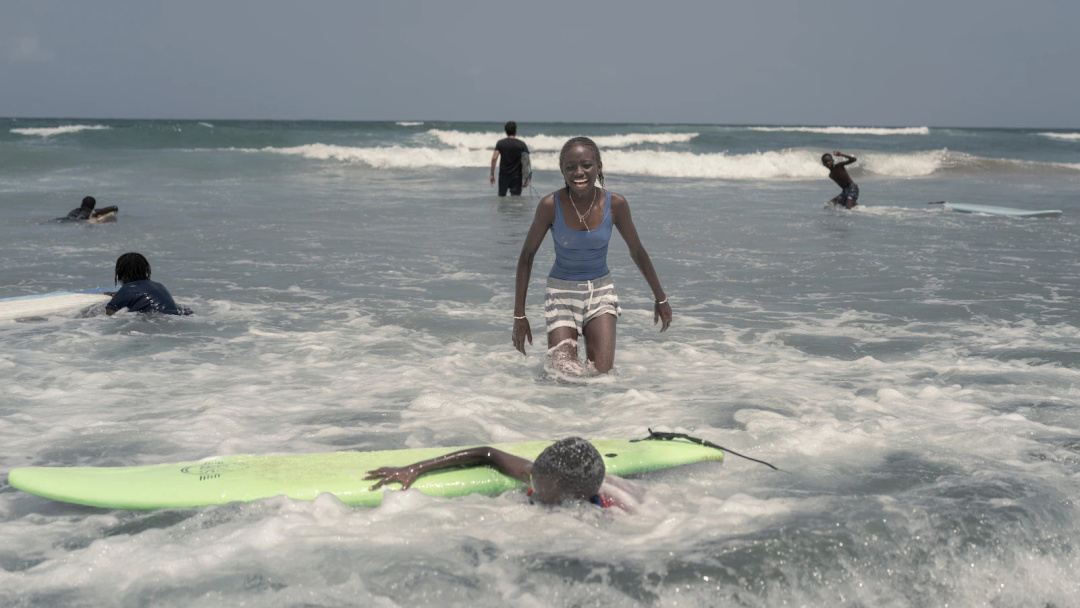
Samb aims to change this narrative. He co-founded the Anda surf school with fellow professional surfer Cherif Fall, offering paid coaching sessions and free weekly classes for local children in their Ngor village. "My dream is to see these kids, who have progressed alongside me, qualify for the World Tour," he shares.
Ngor village, where many Senegalese surfers are from, gained fame through the 1966 surf documentary "The Endless Summer." The local Lebou community has a deep connection to the ocean, which shapes their identity and economy. On a recent Sunday, Samb, Fall, and local volunteers coached about 20 children aged 7 to 14, teaching them essential surfing techniques on boards donated by Australian surfers.
Parents are increasingly supportive of their children’s surfing aspirations. Samb notes a shift in cultural attitudes, with families now encouraging girls to participate in sports like surfing. One of his students, 13-year-old Katy Samba, dreams of becoming a professional surfer, expressing how the sport makes her feel free and confident.
Challenges Facing Senegalese Surfing Community
Despite the growing interest in surfing, resources remain scarce. Many children have to share surfboards, and there is a lack of adequate clothing and wetsuits. All instructors at the Anda surf school are volunteers, limiting the number of kids they can coach. Furthermore, ocean pollution poses a significant threat to the future of surfing in Senegal, as Babacar Thiaw of Surfrider Senegal emphasizes the need for clean waters to ensure the health of both the youth and the tourism industry.
Surfing made its Olympic debut at the 2020 Games in Tokyo and is featured as an engagement sport at the Youth Olympic Games in Dakar. Although no medal competitions will take place, the event has spotlighted Senegal’s surfing potential. Awa Sika Seck, a 19-year-old surfing champion, carried the Youth Olympic Flame through Ngor village, highlighting local talent.
Oumar Sèye, head of the Senegalese Surf Federation, expressed initial disappointment over surfing not being included as a competitive sport in the Dakar games. However, after showcasing 25 African surfers, he noted a surge in media attention and public interest in African surfing.
Sport-Specific Culture Insights
With around 75% of Senegal’s population under 35 and facing high youth unemployment, the need for government support in surfing is critical. Currently, there is minimal investment in professional surfing, and Sèye highlights the urgent need for financial backing to nurture local talent. The Senegalese Sports Ministry acknowledges that surfing is often seen as an elite sport, lagging behind others in promotion and organizational structure.
Samb remains hopeful that the next generation will have better access to opportunities in surfing. Above all, he wishes for them to experience the inner peace that the ocean brings him. "I feel very happy when I’m in the water," he reflects. "It’s something I can’t quite explain — it has given me something truly special."