Yuichiro Miura's Historic Ski Descent of Mt. Everest
In 1970, Yuichiro Miura made history by skiing down Mt. Everest, a feat that captivated the extreme skiing community. Accompanied by a documentary crew and equipped with the Certina DS-2 Chronolympic watch, Miura faced the perilous conditions of the world's highest peak, pushing the limits of adventure and human endurance.
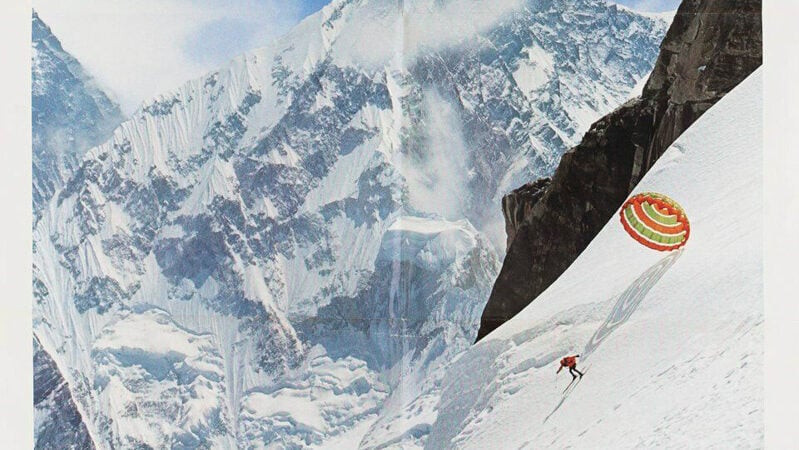
In 1970, Yuichiro Miura embarked on a groundbreaking expedition to ski down Mt. Everest, a venture that would become legendary in the extreme skiing community. This audacious attempt was not just a personal challenge for Miura but also a significant moment in the history of skiing, drawing attention from around the globe. His companion during this perilous journey was the Certina DS-2 Chronolympic, a rugged chronograph designed for adventure and extreme conditions.
The expedition was marked by the daunting realities of high-altitude mountaineering. At elevations exceeding 26,000 feet, climbers face numerous hazards, including avalanches, fierce winds, and the debilitating effects of altitude sickness. Miura's journey was fraught with danger, as he navigated the treacherous landscape of the Himalayas, where the air is thin and the weather unpredictable. Notably, the area above 8,000 meters, known as the "death zone," poses life-threatening challenges that can quickly overwhelm even the most experienced climbers.
Miura's plan to ski down Everest was ambitious and fraught with risks. He had previously set a world record for high-speed skiing, and his experience in extreme conditions gave him the confidence to tackle this unprecedented challenge. The Japanese government granted permission for the expedition, but only allowed skiing from the South Col, not the summit. This limitation did not deter Miura, who was determined to make history.
On May 6, 1970, after weeks of acclimatization and preparation, the conditions finally aligned for Miura's descent. He began with practice runs on the South Col, where he would become the first person to ski at such extreme altitudes. However, as the winds picked up, the situation became precarious. Despite the risks, Miura decided to proceed with his descent, knowing that waiting could mean missing his chance altogether.
As he pushed off at 1:07 PM, Miura reached speeds of 160 km/h (approximately 100 mph) within seconds. The descent was chaotic; winds buffeted him, and he struggled to maintain control. His parachute, intended to help manage his speed, became ineffective due to the turbulent air. Miura's skis caught on a rock, sending him tumbling down the slope. He narrowly avoided a catastrophic fall into a crevasse, stopping just short of disaster, and later described the experience as a moment where he felt his soul return to his body.
Miura's Impact on Extreme Sports Legacy
In just over two minutes, Miura descended approximately 4,200 vertical feet, a feat that solidified his place in the annals of extreme sports history. This daring adventure was later immortalized in the Oscar-winning documentary "The Man Who Skied Down Everest," which showcased not only Miura's incredible skill but also the challenges faced by those who dare to conquer the world's highest peaks.
Miura's legacy continued beyond this historic descent. He went on to ski down other notable mountains, including Africa’s Mt. Kilimanjaro and Antarctica’s Mt. Vinson. In 2003, at the age of 70, he summited Mt. Everest, becoming the oldest person to achieve this feat at that time. His adventurous spirit and relentless pursuit of skiing challenges have inspired generations of athletes.
Sport-Specific Culture Insights
The Certina DS-2 Chronolympic watch that accompanied Miura on this journey is a testament to the durability and precision required for extreme sports. Designed with a Double Security (DS) concept, it was built to withstand the harsh conditions of high-altitude adventures. Today, Certina continues to innovate, offering modern renditions of the DS-2 Chronolympic that pay homage to its storied past while incorporating contemporary advancements in watch technology.
Miura's 1970 expedition remains a defining moment in skiing history, illustrating the intersection of human courage, innovation, and the relentless quest for adventure. His story is not just about skiing; it is a celebration of the human spirit's ability to confront the unknown and embrace the challenges of the natural world.