Exeter Campaigners Criticize Council's Funding for Road Safety
Cycling advocates in Exeter have raised concerns about the local council's decision to allocate half a million pounds towards reopening a road previously closed to motor traffic. This funding has sparked accusations that the council is compromising street safety, particularly for cyclists, as they seek to reverse pandemic-era measures aimed at promoting safer, bike-friendly environments.
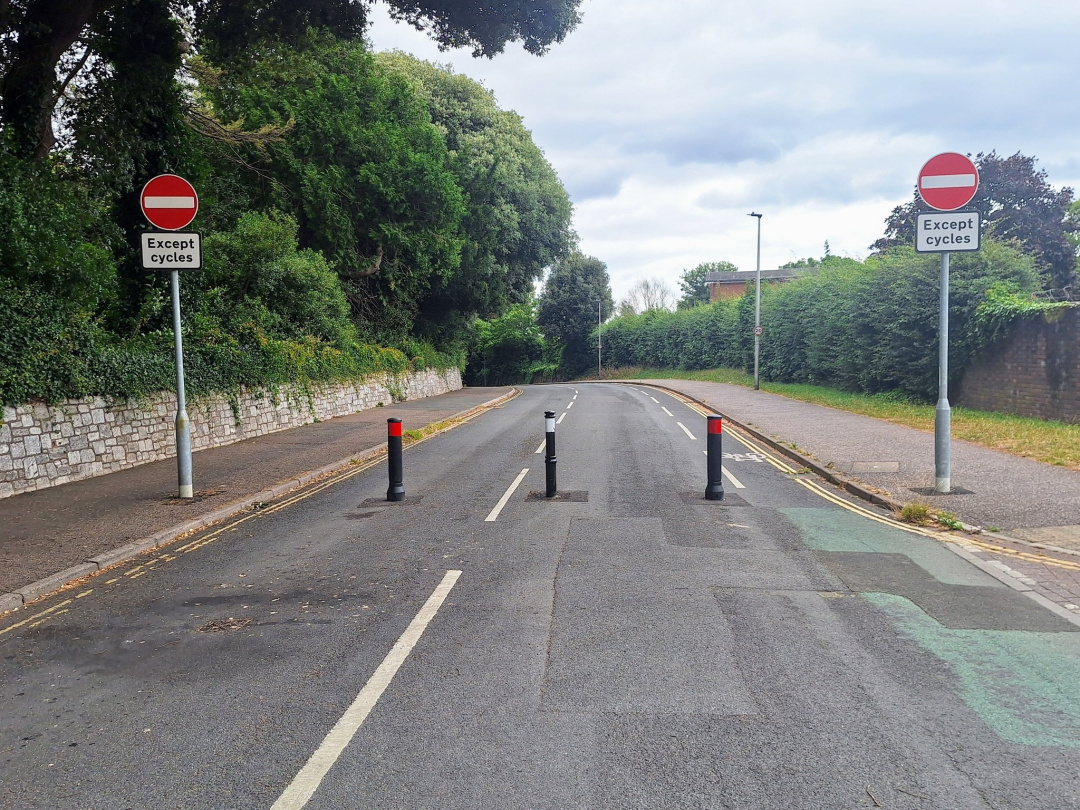
Cycling campaigners in Exeter have accused the local authority of "putting aside half a million pounds" to make the city’s streets less safe. This accusation follows the recent approval of funding required to reopen a road that had been closed to motorists since the pandemic began. The road, which was designated for bicycle use only, has been a point of contention among local cyclists who argue that reopening it to cars will undermine the safety improvements made during the pandemic.
Local advocates have voiced their concerns, stating that the council's decision contradicts the growing movement towards prioritizing cycling and pedestrian safety in urban planning. They believe that the funds could be better utilized to enhance existing cycling infrastructure rather than revert to pre-pandemic norms that favored motor vehicle access.
The controversy highlights a broader debate within the community about the balance between accommodating motor traffic and ensuring safe spaces for cyclists and pedestrians. Many supporters of the bike-only road argue that it has significantly improved safety for cyclists, allowing them to navigate the city with greater confidence.
Implications of Funding Decisions on Urban Safety
As discussions continue, the council faces pressure to justify its funding decisions and consider the long-term implications for road safety and community health. The outcome of this funding allocation could set a precedent for future urban planning initiatives in Exeter and beyond, as cities worldwide grapple with similar challenges in promoting sustainable transportation.
Equipment Innovations
The local cycling community remains vigilant, advocating for policies that prioritize safety and accessibility for all road users. They are calling for a more comprehensive approach to urban planning that includes input from cyclists and other stakeholders to ensure that future developments do not compromise safety in favor of convenience for motor vehicles.
This situation in Exeter serves as a critical reminder of the ongoing challenges faced by cycling advocates in cities that are still adapting to the changing dynamics of urban mobility. As the conversation evolves, it will be essential for local authorities to engage with the community and consider the diverse needs of all road users in their planning processes.