Mont Blanc Faces Tourist Ban Amid Environmental Concerns
French authorities are implementing a ban on unsanctioned tourists visiting Mont Blanc following a troubling increase in littering and wildlife disturbances. This decision aims to protect the natural environment and ensure a sustainable experience for hikers.
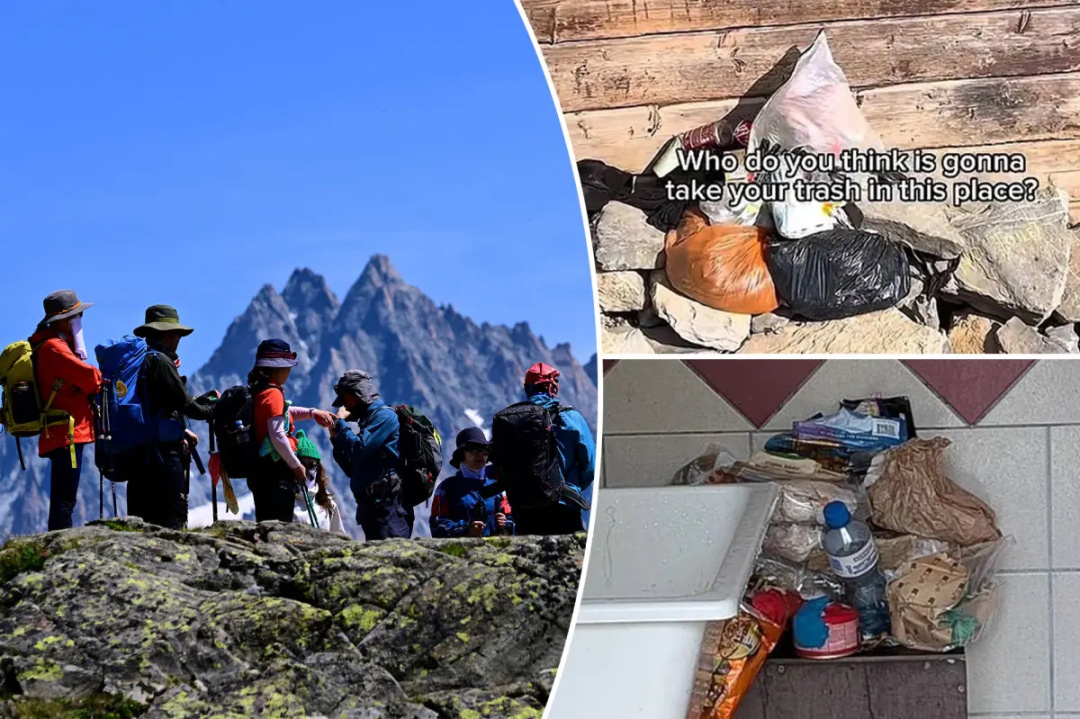
French authorities are taking significant action to preserve the natural beauty of Mont Blanc by imposing a ban on unsanctioned tourists. The decision comes in response to a noticeable surge in inappropriate behaviors among visitors, including defecating in public areas and feeding local wildlife. These actions have raised serious environmental concerns, prompting officials to act decisively to protect the region's delicate ecosystem.
The Mont Blanc massif, renowned for its stunning landscapes and outdoor adventure opportunities, has seen an influx of day trippers in recent years. However, this increase in foot traffic has led to various environmental issues, including littering and disturbances to local fauna. Authorities have noted that some visitors are not adhering to basic outdoor ethics, which has resulted in a call for stricter regulations.
The ban specifically targets those who arrive without proper authorization, aiming to reduce the overall number of tourists who contribute to the degradation of the area. This measure is seen as essential to maintaining the integrity of the hiking trails and the surrounding environment. Officials emphasize the importance of responsible tourism, urging visitors to respect the natural habitat and follow established guidelines when exploring the region.
Balancing Tourism and Environmental Stewardship
As Mont Blanc continues to attract outdoor enthusiasts from around the world, the challenge remains to balance accessibility with environmental preservation. The ban serves as a reminder of the responsibility that comes with enjoying the great outdoors. Authorities hope that by enforcing these regulations, they can foster a more sustainable relationship between tourists and the natural environment.
Sport-Specific Culture Insights
The decision to restrict access to Mont Blanc is part of a broader trend among national parks and protected areas worldwide, where similar measures are being implemented to combat the negative impacts of over-tourism. As more people seek outdoor adventures, the need for responsible practices becomes increasingly critical to ensure that these natural wonders remain intact for future generations.
In conclusion, the ban on unsanctioned tourists at Mont Blanc highlights the ongoing struggle to protect natural environments while accommodating the growing number of outdoor enthusiasts. It serves as a crucial step towards fostering a culture of respect and responsibility among hikers and visitors alike.