How Hawaiian Princes Introduced Surfing to the Mainland
In 1885, three Hawaiian princes studying in California introduced surfing, or "surfboard swimming," to the mainland. Their influence marked a significant moment in the sport's history, leading to the establishment of surfing culture in California and beyond.
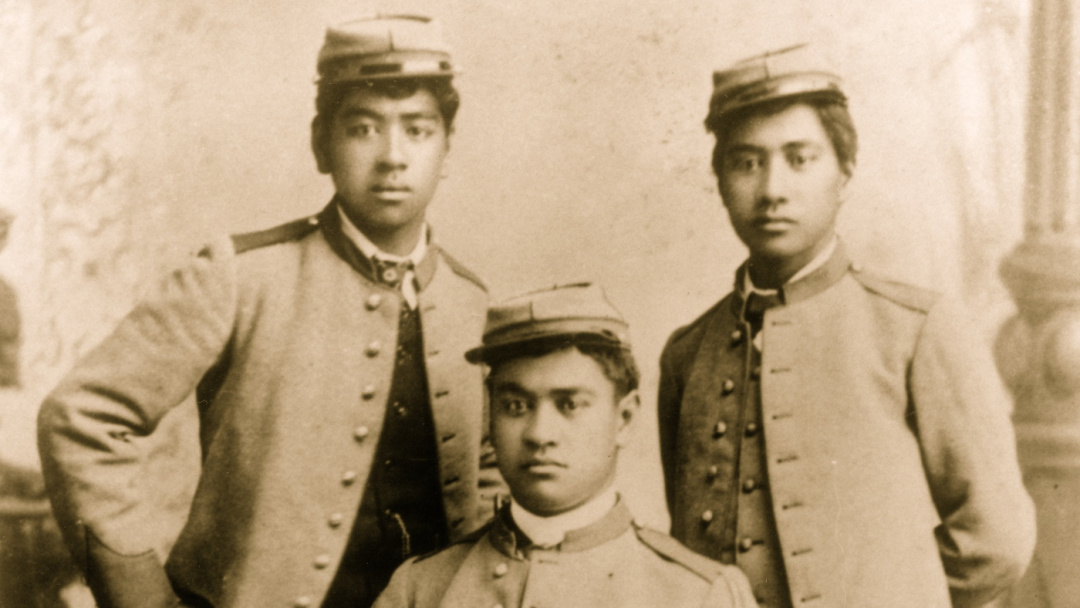
In 1885, the mouth of the San Lorenzo River in Santa Cruz, California, was not an ideal surfing spot due to its rocky shoreline, pollution, and swift currents. However, this location holds historical significance as it was where three Hawaiian princes—David, Edward, and Jonah Kuhio Kalanianaole—first introduced the sport of surfing to the continental United States. While studying at a military school in California, these royal brothers brought with them the ancient Hawaiian tradition of surfboard swimming, which would later evolve into the popular sport of surfing known today.
Their arrival coincided with a growing interest in Hawaiian culture among mainland Americans, and the princes' surfing demonstrations captivated local audiences. They showcased their skills on the waves, drawing attention to the sport and its cultural roots. This marked the beginning of a surfing movement that would eventually spread along the California coast and beyond.
The legacy of these princes is celebrated in the "Princes of Surf" exhibit, which highlights their contributions to the sport. This exhibit not only honors their role in popularizing surfing but also emphasizes the cultural exchange between Hawaii and the mainland United States. The exhibit serves as a reminder of how surfing, deeply rooted in Hawaiian tradition, has become an integral part of California's beach culture.
Latest Developments in Active Sports
As surfing gained popularity, it evolved from a traditional Hawaiian pastime into a global phenomenon, influencing countless athletes and enthusiasts. The princes' introduction of surfing to the mainland was a pivotal moment that set the stage for the sport's development and commercialization in the years to come.
Today, surfing is recognized not only as a sport but also as a lifestyle, with a vibrant community that celebrates its history and cultural significance. The contributions of the Hawaiian princes remain a vital part of this narrative, illustrating the enduring connection between Hawaii and the surfing culture that thrives on the mainland. Their legacy continues to inspire new generations of surfers who embrace the waves and the spirit of aloha.