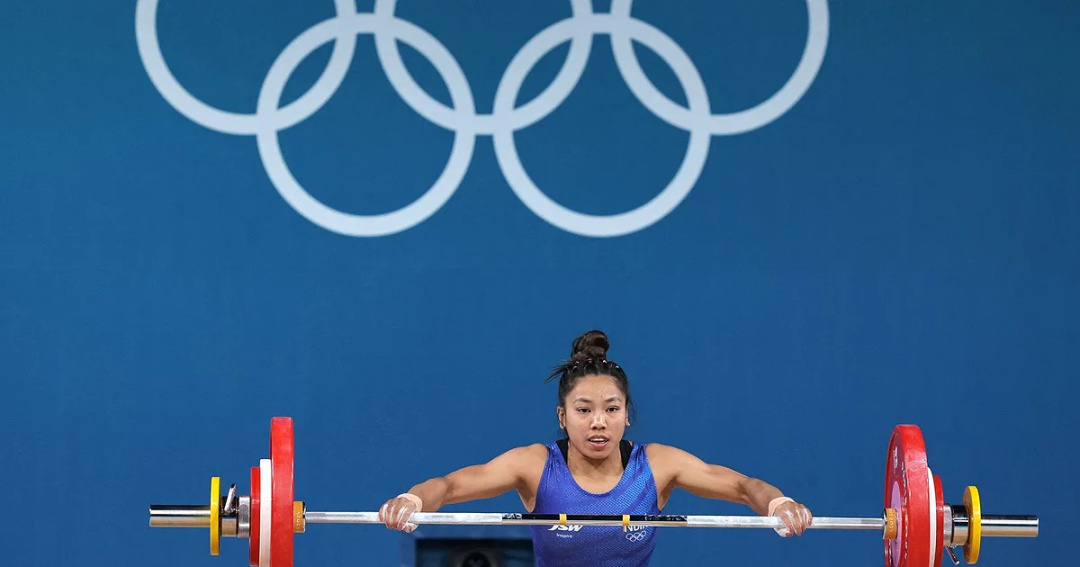
Geopolitical Tensions Shape the 2026 Asian Games Experience
The 2026 Asian Games in Japan highlighted significant geopolitical tensions, impacting the atmosphere of competition, including weightlifting events. With historical disputes between nations like Japan and South Korea, and the participation of North Korean athletes, the Games served as a backdrop for political contention amid the sporting achievements.
The 2026 Asian Games in Japan, which concluded on October 4, showcased athletes from 45 countries competing across 43 sports, including weightlifting. Despite the event's official slogan, "imagine one Asia," the backdrop of fragmented regional politics significantly influenced the atmosphere of competition.
Tensions escalated just days before the Games began when a welcoming ceremony featured an actor portraying Toyotomi Hideyoshi, a historical figure revered in Japan but notorious in Korea for leading the 16th-century invasion. This incident reignited historical sensitivities, particularly for South Korea, which had previously faced similar controversies at the Tokyo Summer Olympics.
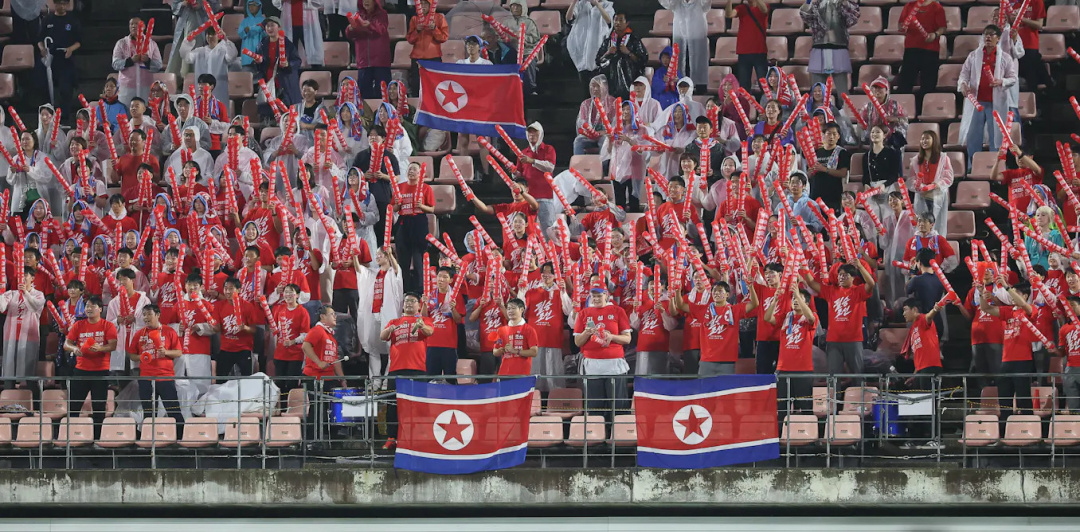
The 2026 Games were notable for being the first in over 40 years to see North Korean athletes compete in Japan, a country with which North Korea has no formal diplomatic relations. Despite Japan's sanctions, a North Korean diaspora in Japan supported their athletes, with fans displaying patriotic slogans at events. After a decisive 10-0 victory against Bangladesh, North Korean women's football team coach Pak Song-jin expressed gratitude for the support, highlighting the unique connection between the athletes and their supporters.
However, the North Korean delegation faced strict controls during the event, limiting their interactions with foreign nationals due to fears of defection. Reports surfaced that despite these restrictions, two North Korean athletes sought asylum in Japan, underscoring the complex dynamics at play.
Heightened Rivalries During the Games
Tensions between North and South Korea were palpable throughout the Games. An administrative error led to North Korea's national anthem being played for the South Korean men's hockey team, prompting sharp criticism from South Korean officials. The two nations met in a women's football match that ended in a 1-1 draw, but the atmosphere remained tense, with coaches avoiding handshakes and North Korean athletes refraining from engaging with South Korean media.
Sport-Specific Culture Insights
Taiwan also faced political challenges during the Games, with a banner at their training camp vandalized, reflecting the ongoing disputes over its sovereignty. Taiwanese athletes protested restrictions on displaying their national identity, which further highlighted the political undercurrents affecting the sporting event.
The 2026 Asian Games exemplified how international sporting contests are increasingly becoming stages for political contention, reflecting broader geopolitical tensions. As the world becomes more divided, the implications for athletes and competitions grow more complex, intertwining sports with the realities of international relations.