Missing the Great Outdoors: A Move from Oregon to Philadelphia
After moving from Oregon to Philadelphia, author Tristin Hoffman reflects on the challenges of adapting to urban life and the longing for easy access to outdoor activities. This personal narrative highlights the contrast between the walkable city environment and the outdoor adventures that Hoffman cherished in Oregon, emphasizing the importance of nature in one's lifestyle.
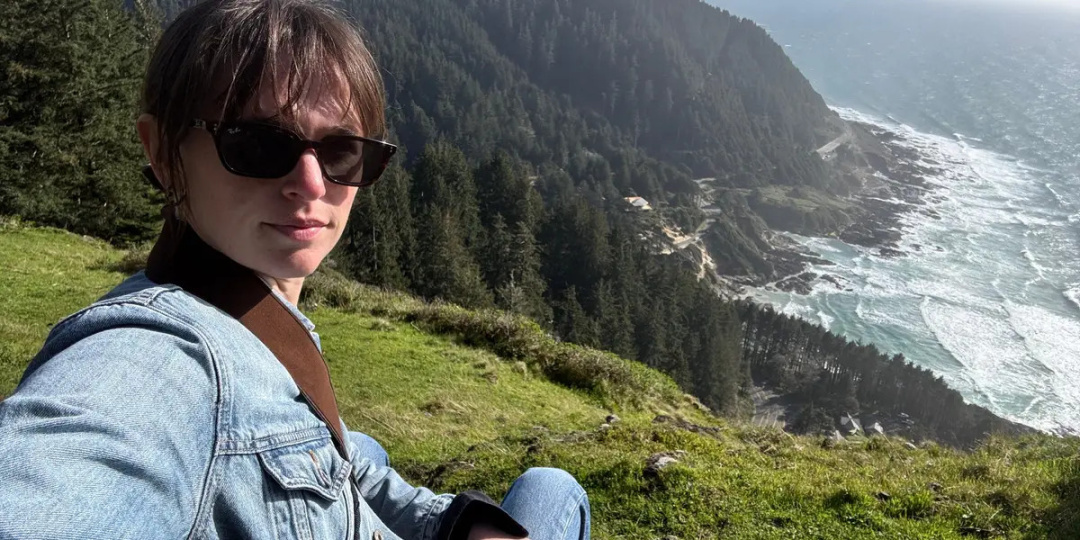
Tristin Hoffman shares a poignant account of relocating from Oregon to Philadelphia, where the allure of a walkable city life quickly gave way to nostalgia for the outdoor adventures of the West Coast. Growing up in San Diego and attending school in an outdoorsy city in Oregon, Hoffman developed a deep appreciation for the accessibility of hiking and snow sports. However, after settling in Philadelphia, the reality of urban living set in, revealing the limitations of city life when it comes to outdoor recreation.
In Oregon, Hoffman enjoyed the proximity to stunning mountain trails and ski resorts, where weekend excursions were easily planned. The ability to spontaneously hit the trails or the slopes was a significant part of life there. In contrast, Philadelphia's urban landscape, while vibrant and full of cultural offerings, lacked the immediate access to nature that Hoffman had taken for granted. The realization that the city’s walkability came at the cost of outdoor freedom left Hoffman feeling homesick and yearning for the mountains.
The experience of moving to a city known for its walkability has sparked a deeper reflection on the balance between urban convenience and outdoor accessibility. While Philadelphia offers a rich tapestry of city life, it also serves as a reminder of the personal value placed on nature and outdoor activities. The longing for the mountains and the thrill of snow sports highlights a broader theme many outdoor enthusiasts face when navigating life in urban settings.
Adjusting to Urban Living and Nature's Absence
Hoffman's story resonates with those who have made similar transitions, illustrating the emotional and lifestyle adjustments that come with relocating to a less nature-centric environment. The contrast between the two locations serves not only as a personal narrative but also as a commentary on the importance of outdoor access in fostering a fulfilling lifestyle.
Navigating Urban Life with an Outdoor Heart
As the author contemplates the future, the experience underscores the need for individuals to find ways to integrate their passion for the outdoors into their urban lives, whether through weekend trips or by seeking out local parks and green spaces. The story ultimately emphasizes the significance of maintaining a connection to nature, regardless of where one calls home.
Hoffman's reflections serve as a reminder that while city living offers its own set of advantages, the absence of immediate access to outdoor adventures can lead to feelings of disconnection. For many, the mountains, trails, and snow-covered landscapes are not just recreational spaces but vital components of their identity and well-being. As urbanization continues to shape lifestyles, the challenge remains to bridge the gap between city life and the great outdoors, ensuring that the love for nature persists even in the heart of bustling urban centers.