Father Faces CPS Complaints After Climbing El Capitan With Son
Joe Evermore and his seven-year-old son recently climbed Yosemite's El Capitan, a feat that sparked controversy when Child Protective Services received complaints. The Evermores, who share a deep passion for rock climbing, view this experience as a bonding opportunity, while the situation raises questions about parental rights and child safety in adventure sports.
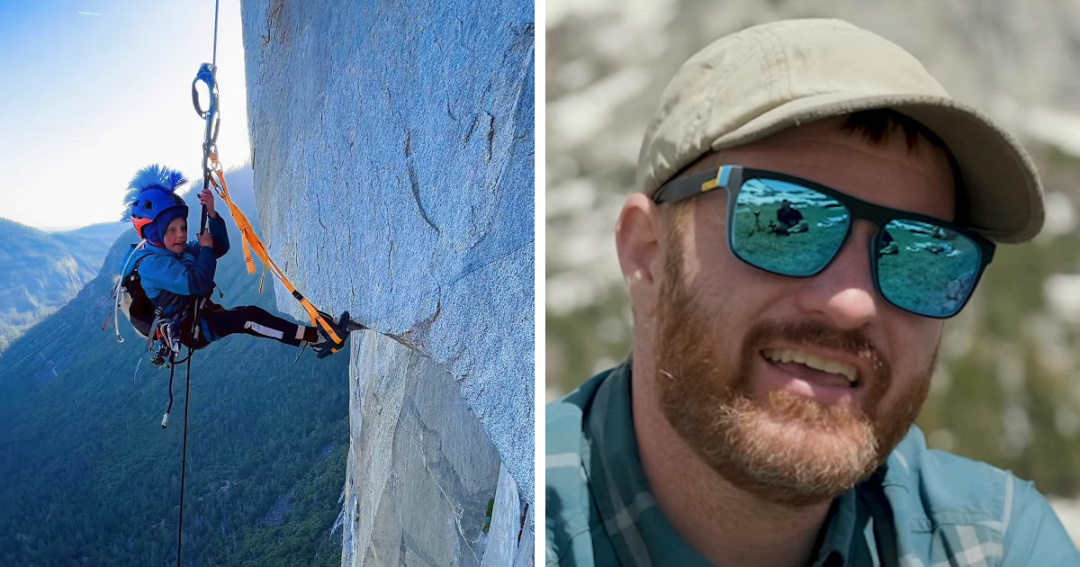
Joe and Ann Evermore, a couple from Colorado, have made rock climbing a significant part of their lives, even incorporating it into their family dynamic. Their passion for climbing reached new heights when they decided to take their seven-year-old son on an ambitious adventure up Yosemite's iconic El Capitan. This monumental climb, which many seasoned climbers aspire to conquer, was not without its challenges and controversies.
After successfully reaching the summit, the Evermore family celebrated what they considered a remarkable achievement. Their son, who appeared cheerful and proud, expressed how special it was to share this moment with his father. However, the joy of their accomplishment was overshadowed by the reaction from the public. Following their climb, Child Protective Services (CPS) received complaints regarding the safety of the child during such a high-risk activity.
The complaints raised significant concerns about the appropriateness of exposing a young child to the dangers associated with climbing one of the most challenging rock faces in the world. Critics argue that such activities could jeopardize the child's safety and well-being, while supporters of the Evermores contend that climbing can foster resilience, confidence, and a love for the outdoors in children.
This incident has ignited a broader discussion about the balance between encouraging adventurous pursuits and ensuring child safety. Many parents in the climbing community are now reflecting on their own practices and the potential risks involved in introducing children to extreme sports.
As the Evermores navigate this unexpected scrutiny, they remain steadfast in their belief that climbing is not just a sport but a way to bond as a family and instill valuable life lessons in their children. They hope that their story will inspire other families to embrace the outdoors while also considering the safety measures necessary to protect their young climbers.
Balancing Adventure and Parental Responsibility
The conversation surrounding this incident highlights the complexities of parenting in the context of adventure sports. While climbing can offer unique experiences and foster strong family connections, it also necessitates a careful consideration of safety protocols and the potential risks involved in such endeavors.
As this story unfolds, it serves as a reminder for families involved in active sports to weigh the benefits of adventure against the responsibilities of ensuring their children's safety.
Navigating the Intersection of Adventure and Safety
The Evermore family's experience raises important questions about how society views risk in parenting, especially in the context of adventure sports. As climbing continues to gain popularity, particularly among families, the need for clear guidelines and safety practices becomes increasingly essential. Parents are encouraged to engage in open discussions about risk management and to seek out training and resources that can help them make informed decisions when introducing their children to climbing and other high-risk activities.
In conclusion, the Evermores' climb up El Capitan serves as both an inspiring tale of adventure and a cautionary example of the complexities surrounding child safety in extreme sports. As families continue to explore the great outdoors, fostering a culture of safety and responsibility will be crucial in ensuring that adventure can be enjoyed by all, especially the youngest participants.