Matthew Richardson Faces Allegations of Racism and Team Conflict
British cyclist Matthew Richardson has been accused of exhibiting a 'God complex' following his removal from the national team amid allegations of racist language. This controversy arises as his girlfriend competes at the World Championships without him, highlighting the personal and professional tensions within the cycling community.
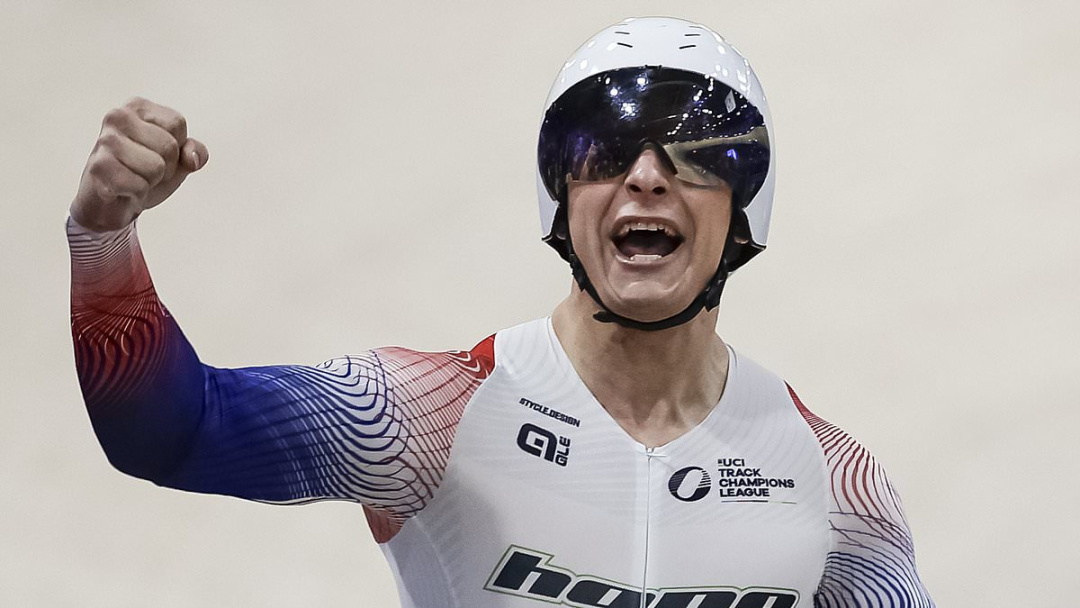
Matthew Richardson, a prominent figure in British cycling, has recently come under fire for allegations that he used racist language, leading to his removal from the national team. The 27-year-old cyclist has been described by some teammates as having a 'God complex,' a term that suggests an inflated sense of self-importance and entitlement. This situation has sparked significant discussion within the cycling community, particularly as it coincides with his girlfriend's participation in the World Championships, where she competes without his support.
Richardson's dismissal from the team has raised questions about the culture within British cycling, especially regarding how athletes are held accountable for their behavior off the bike. The allegations have not only affected his career but have also cast a shadow over the sport, prompting discussions about racism and the need for a more inclusive environment in cycling.
As the cycling world watches closely, the impact of this controversy extends beyond Richardson himself; it reflects broader issues within the sport that require attention and action. The cycling community is now faced with the challenge of addressing these allegations while supporting athletes who are striving for excellence in competition.
Navigating Athlete Conduct and Responsibilities
The ongoing situation serves as a reminder of the complexities athletes face, balancing personal conduct with professional responsibilities. As events unfold, the cycling community hopes for a resolution that promotes accountability and fosters a more positive environment for all participants.
Implications for Cycling Culture
As discussions about Richardson's behavior continue, it is essential to consider the implications for cycling culture as a whole. The sport has been making strides towards inclusivity and diversity, but incidents like this highlight the work that still needs to be done. The cycling community must confront these issues head-on to ensure a welcoming atmosphere for all athletes, regardless of their background.
In conclusion, while Matthew Richardson's future in cycling remains uncertain, the lessons learned from this incident may help shape a more respectful and inclusive cycling culture moving forward. The hope is that the sport can emerge stronger, with a renewed commitment to integrity and respect among its athletes.