Wailaki Tribe Voices Opposition to Great Redwood Trail Plans
The Wailaki tribe of Northern California is expressing strong opposition to the proposed Great Redwood Trail, a 307-mile hiking path that they believe disrespects their ancestral lands. The tribe's concerns center around the potential impact on their cultural heritage and the need for greater consultation with Indigenous communities.
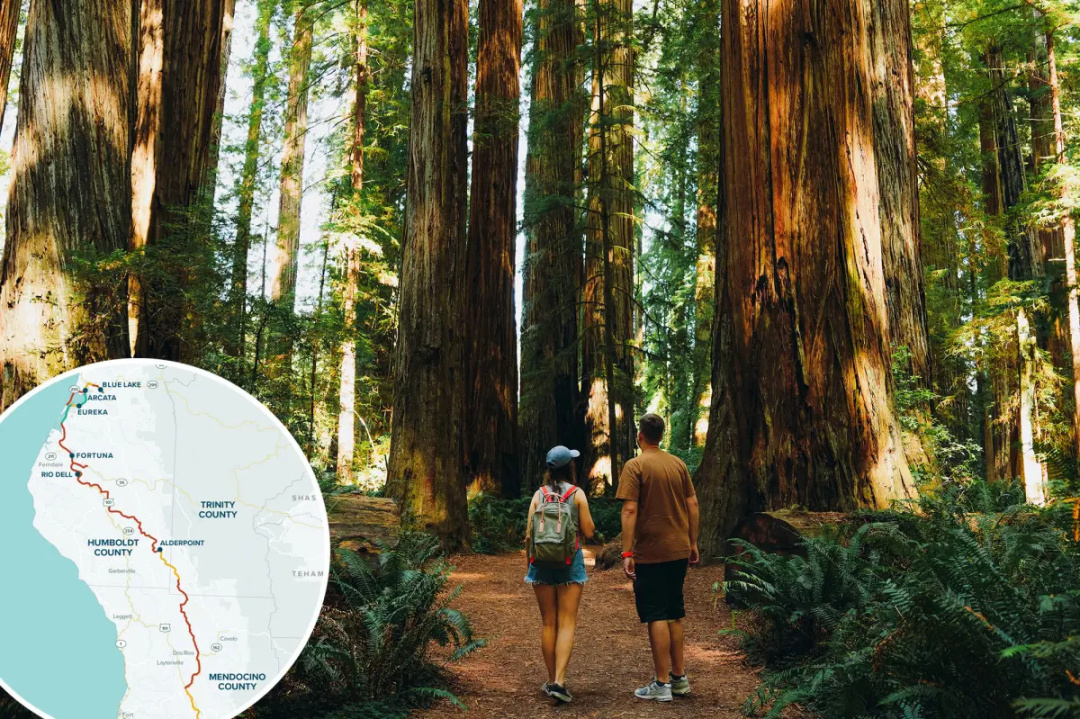
Members of the Wailaki tribe, located in Northern California, are raising alarms about the proposed Great Redwood Trail, a massive 307-mile hiking trail that aims to stretch from San Francisco to the Oregon border. The tribe claims that the trail's development threatens their ancestral lands and cultural heritage, sparking a heated debate about land use and Indigenous rights.
The Great Redwood Trail is envisioned as a scenic route that will attract hikers and outdoor enthusiasts, but the Wailaki tribe argues that it is being imposed on them without adequate consultation. They describe the situation as "shoving it down our throats," emphasizing their desire for respect and acknowledgment of their historical ties to the land. This sentiment reflects a broader issue faced by many Indigenous communities, where development projects often overlook their rights and perspectives.
The tribe has called for a halt to the trail's construction until their concerns are addressed. They are advocating for a more inclusive dialogue that recognizes their connection to the land and the importance of preserving their cultural sites. The Wailaki's stance highlights the ongoing struggle for Indigenous rights in the face of expanding outdoor recreation and tourism initiatives.
Indigenous Voices in Outdoor Development
As the conversation around the Great Redwood Trail continues, it raises important questions about how outdoor spaces are developed and who gets to decide their use. The Wailaki tribe's fight is not just about a hiking trail; it is about ensuring that Indigenous voices are heard and respected in discussions that affect their heritage and future.
Athlete Spotlights
This situation serves as a reminder of the complexities involved in outdoor adventure planning, where the interests of recreational users must be balanced with the rights of Indigenous peoples. The outcome of this dispute could set a precedent for similar projects across the country, making it crucial for stakeholders to engage with Indigenous communities in meaningful ways.
As the Wailaki tribe stands firm in their opposition, they are also calling on the public to support their cause and recognize the significance of their ancestral lands. The Great Redwood Trail, while promising to enhance outdoor access, must not come at the expense of the cultural and historical integrity of the lands it traverses.