How Napoleon's Legacy Influences Gen Z's Weightlifting Trend
A recent analysis reveals that over a quarter of young adults in Britain prioritize their gym memberships over leisure activities, reflecting a significant shift towards weightlifting. This trend is traced back to historical influences, particularly Napoleon's era, which shaped modern fitness culture. The article explores how this legacy continues to impact Gen Z's approach to strength training and fitness.
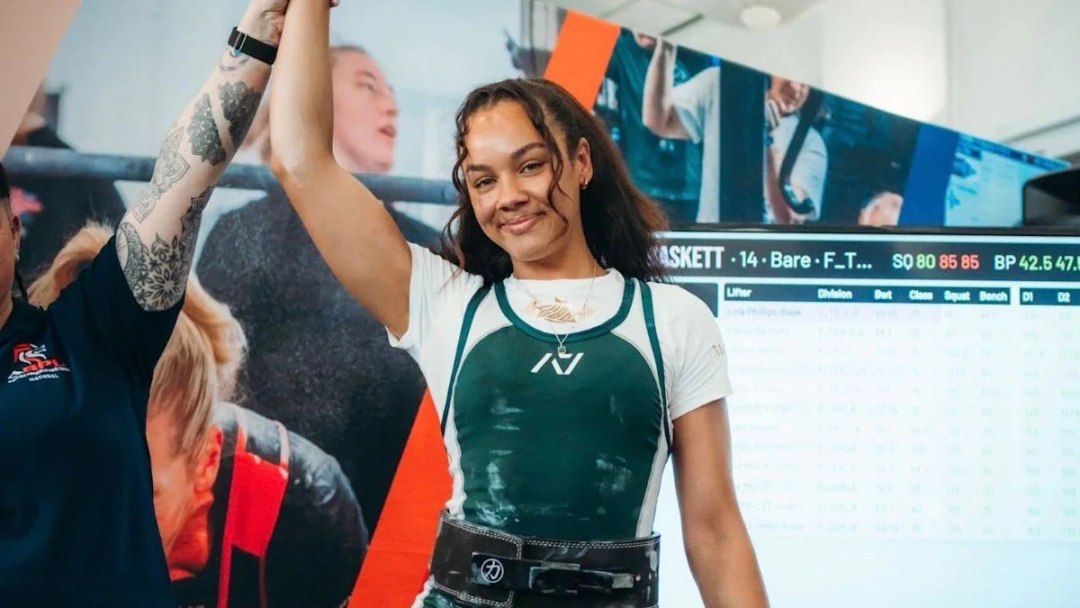
More than one quarter of young adults in Britain now report that their gym memberships hold greater significance than holidays or dining out. This trend, highlighted by Sport England data, indicates a marked shift among Gen Z, who are increasingly favoring gym workouts and strength training over traditional activities like running and swimming. For this demographic, weight training is perceived as the optimal exercise method, contributing to strength, enhancing appearance, and promoting overall health.
The debate surrounding the best forms of exercise has persisted for over two centuries. Although contemporary fitness trends often emphasize body enhancement and overall fitness, health has rarely been the sole motivator behind the popularity of various exercise methods throughout history.
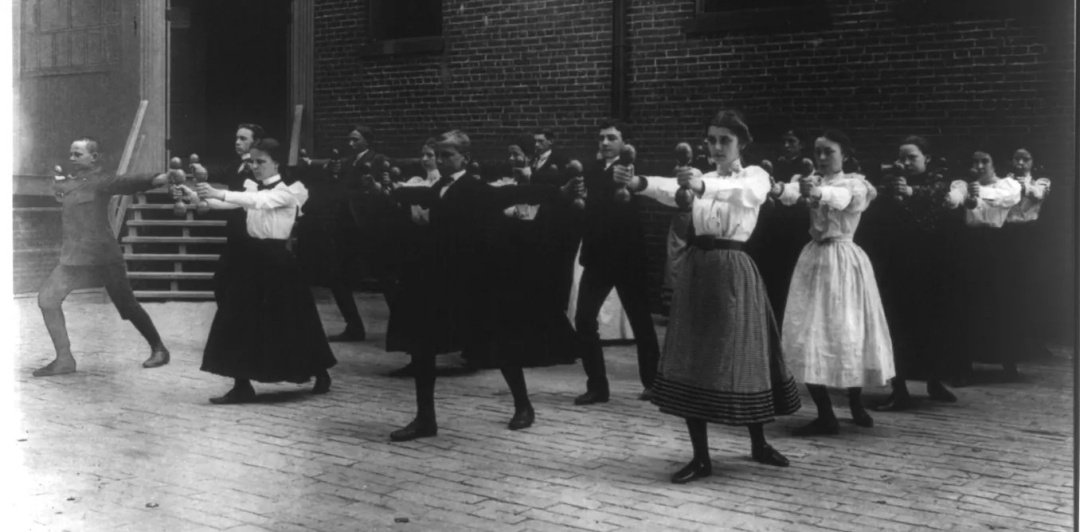
The roots of modern fitness can be traced back to 1806, during Napoleon Bonaparte's invasion of Prussia, which inadvertently catalyzed the birth of the fitness industry. In response to the perceived physical weakness of Prussian men, Friedrich Ludwig Jahn established the Turnplatz in 1811, an open-air gymnasium where young men engaged in various physical activities, including running, climbing, and wrestling. Jahn's innovations, such as the parallel bars and horizontal bar, laid the groundwork for the gymnastic movements that would spread across Europe, with England's first outdoor gymnastics school opening in 1825.
The philosophy behind Jahn's Turnplatz system—that a strong nation requires physically robust troops—resonated throughout the 19th century, leading to the proliferation of gymnastic and calisthenic systems for both men and women. The Victorian era saw the rise of strongman performances, exemplified by figures like Charles “Samson” Sampson, who captivated audiences with their feats of strength.
However, it was Eugen Sandow, who emerged in 1889, that redefined the strongman archetype. Unlike his predecessors, Sandow's physique was lean and sculpted, setting a new standard for physical beauty. His influence extended beyond performance; he hosted the first major bodybuilding contest in London in 1901 and developed a health enterprise that reached across the British Empire and beyond, promoting physical culture through mail-order courses and publications.
Shifts in Fitness Culture Over Time
As fitness culture evolved, the emphasis gradually shifted from training for national strength to personal health and aesthetics. The post-war era introduced new health concerns, notably the dangers of sedentary lifestyles, which prompted a movement towards more active forms of exercise. This shift was exemplified by the rise of jogging in the 1960s, spurred by health professionals advocating for increased physical activity to combat heart disease.
The 1980s saw aerobics gain immense popularity, driven by figures like Jane Fonda, who brought fitness into the mainstream through home workout videos. Concurrently, bodybuilding was popularized by Arnold Schwarzenegger, whose charisma and physique made him a cultural icon. His influence, along with the emergence of budget gyms and accessible weightlifting equipment, contributed to the normalization of weight training as a primary form of exercise.
Community Events
Today, weightlifting is a mainstream activity, with diverse communities embracing strength training. The hashtag #strongnotskinny has gained traction on social media platforms like Instagram and TikTok, reflecting a cultural shift towards celebrating strength and fitness. Influencers play a significant role in this evolution, paralleling the promotional strategies of historical figures like Sandow and Schwarzenegger, who marketed their physiques and fitness philosophies to the public.
As the landscape of fitness continues to change, the historical connections to figures like Napoleon and Jahn remind us that the motivations behind exercise are deeply rooted in cultural and societal contexts. What began as a response to military needs has transformed into a personal pursuit of health and identity, illustrating how the past continues to shape the present.