Specialized Stumpjumper vs. Yeti MT: Long-Travel Trail Bike Semifinals
In the semifinals of the Trail Bike of the Year Tournament, the Specialized Stumpjumper 15 EVO and Yeti MT face off, showcasing their similarities and differences in suspension, geometry, and price. This article explores the key features and performance aspects of both bikes as they advance in the competition.
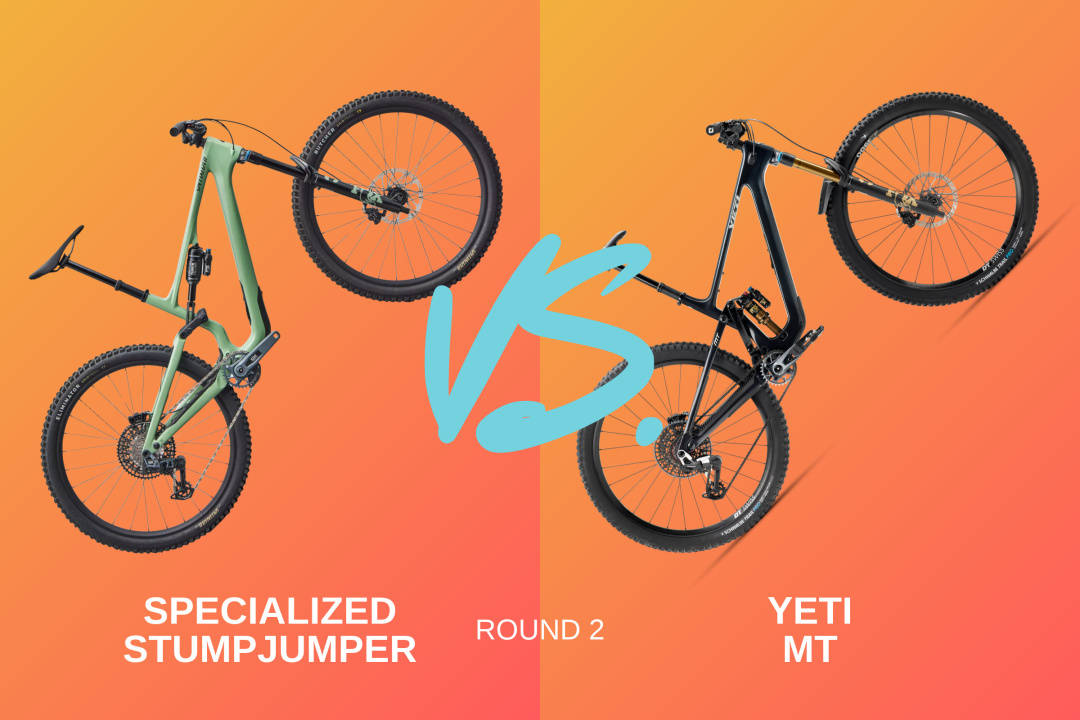
The Trail Bike of the Year Tournament has reached an exciting stage, with the Specialized Stumpjumper 15 EVO and Yeti MT advancing to the semifinals in the long-travel bracket. Both bikes are closely matched in terms of travel, build, and weight, but subtle differences in geometry and price could sway voters in this critical matchup.
In the first round, the Specialized Stumpjumper 15 EVO triumphed over the Trek Fuel EX, garnering 59% of the votes. This victory can be attributed to its superior adjustability. The Trek Fuel EX features a modular design, allowing for multiple settings, but this comes at an additional cost for the necessary components. In contrast, the Stumpjumper's design offers a more straightforward approach to adjustability, which may have resonated more with voters.
The Yeti MT also advanced, defeating the Pivot Switchblade with 54% of the votes. This matchup was competitive, with both bikes offering similar travel numbers and high-quality builds. However, the Yeti MT's new suspension design and geometry changes compared to its predecessor, the SB 140, may have given it the edge needed to progress.
Today, the Stumpjumper faces the Yeti MT in what promises to be a thrilling semifinal. The Stumpjumper boasts more adjustability, featuring the proprietary Genie shock and a more affordable price point of $6,200, compared to the Yeti MT's $8,000. Both bikes offer 160mm forks and impressive rear travel, but the Stumpjumper edges out with 145mm of rear travel versus the MT's 140mm.
Comparing Suspension Designs and Performance
The suspension platforms of both bikes are noteworthy, with the Stumpjumper utilizing a four-bar Horst link design and the Yeti employing a more complex six-bar system. This difference in design could lead to distinct riding experiences, with the Stumpjumper potentially offering a more playful ride, while the Yeti MT's longer chainstays may provide enhanced stability.
Sport-Specific Culture Insights
Geometry plays a crucial role in how each bike performs on the trails. The Stumpjumper has a slightly shorter reach and chainstays compared to the Yeti MT, which could affect handling and maneuverability. The Stumpjumper's adjustable chainstays and angle-adjust headset cups offer riders the ability to fine-tune their bike's setup, whereas the Yeti MT presents a more fixed geometry with fewer adjustment options.
As both bikes head into the semifinals, the decision may come down to personal preference regarding adjustability and riding style. The Stumpjumper's lower price and versatility contrast with the Yeti MT's premium features and brand reputation. Riders are encouraged to cast their votes and determine which bike advances to the finals on November 18.