Shark Warning Issued for Hadera Coastline Activities
The Israel Nature and Parks Authority has issued a public warning about the return of sharks near the Hadera power station, advising against diving and snorkeling in the area due to safety concerns. The annual gathering of sharks poses risks to water activities, and the authority emphasizes the importance of keeping a safe distance from these protected species.
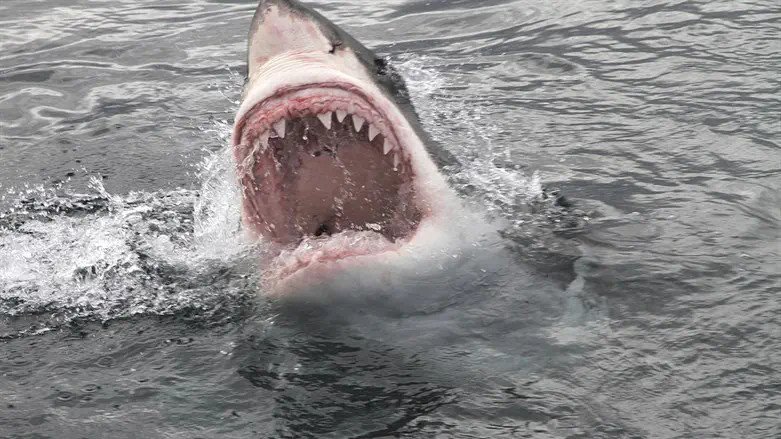
The Israel Nature and Parks Authority has issued a warning urging the public to avoid diving, snorkeling, or entering the water near the Hadera power station due to the return of sharks. This caution comes after the authority highlighted the unpredictability and potential danger of encounters with these marine predators. Notably, in April 2025, a tragic incident occurred when a man lost his life after entering the water near the power station and was attacked by a shark. Consequently, swimming is prohibited in the area where the sharks are known to congregate.
Every year, sharks return to the waters near the Hadera power station, typically between November and May, attracted by the warm water discharged from the facility. While this phenomenon draws visitors interested in observing the sharks, the authority has reiterated the risks associated with approaching them in the water. In addition to the danger posed by the sharks, the area is known for strong currents and whirlpools near the warm-water outlet, which can be life-threatening for swimmers and divers. Furthermore, fishing equipment such as hooks and loose lines accumulate in the water, creating additional hazards for those engaging in water activities.
The warning extends beyond the Hadera area, as sharks have also been spotted at various beaches along Israel's coastline. The authority advises anyone encountering a shark while diving or snorkeling to maintain a safe distance and avoid any attempts to approach the animal. It is crucial to respect the fact that sharks are a protected species in Israel. Harming, harassing, or feeding them is illegal, and violators may face criminal penalties. The public is encouraged to observe these animals from a distance and leave them undisturbed.
Understanding Shark Species in Israel
Each year, several dozen sharks gather off the Israeli coast, primarily consisting of two species: the dusky shark and the sandbar shark. The dorsal fins of these sharks can often be seen breaking the surface of the water. Dusky sharks can grow to about three meters in length and weigh around 150 kilograms, while sandbar sharks reach approximately two meters and weigh about 70 kilograms. The sandbar shark is classified as endangered in the Mediterranean, and there is currently insufficient information to assess the conservation status of the dusky shark population in the region.
Latest Developments in Active Sports
Research indicates that these sharks frequent Hadera to rest and warm themselves in the heated waters, which helps accelerate their physiological processes, including digestion and reproduction. The authority has emphasized the importance of minimizing human disturbance, especially given the declining shark populations throughout the Mediterranean and the various threats they face from fishing practices.
Yigal Ben Ari, head of the Israel Nature and Parks Authority's Marine Unit, pointed out that shark populations across the Mediterranean have significantly declined due to overfishing and accidental captures. "Sometimes sharks caught unintentionally are thrown back into the sea dying or dead," he stated. He further noted that in Israel, sharks are a protected species and play a vital role in maintaining marine ecosystems. As apex predators, they help regulate the populations of weaker and slower marine animals, thus contributing to the overall health of the marine environment.